

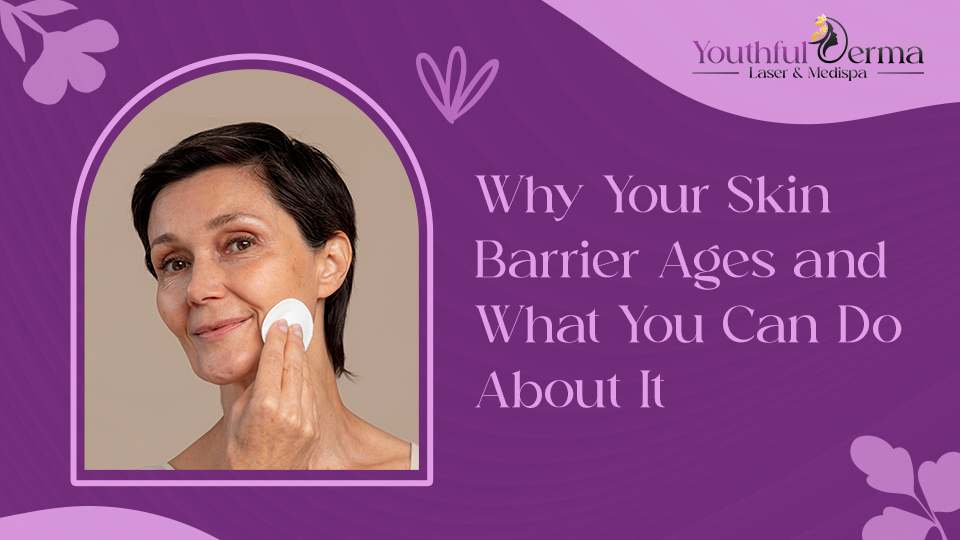
Why Your Skin Barrier Ages and What You Can Do About It
Many people notice their skin feels different as they get older drier, more sensitive, or just not as comfortable as it used to be. The answer often lies in something most people have never heard of: the skin barrier. This protective layer does important work, but like everything else in the body, it changes with time.
Understanding Your Skin's Protective Shield
The skin barrier is like a protective wall on the outer layer of skin. It keeps the good stuff in like moisture and keeps the bad stuff out like germs and pollution. When working properly, this barrier keeps skin feeling soft, comfortable, and healthy.
Think of it as a brick wall where skin cells are the bricks and natural oils are the cement holding them together. When that cement starts to crack or wear away, the wall becomes weak. That’s exactly what happens to aging skin.
Why the Barrier Gets Weaker Over Time
Aging affects the skin barrier in several clear ways. The body naturally makes less of those important oils that hold skin cells together. This process usually starts around the mid-twenties and continues throughout life.
Skin cells also don’t renew themselves as quickly as they once did. Younger skin replaces old cells with fresh ones regularly, but this slows down with age. Dead cells stick around longer, making skin look dull and feel rough.
The skin also becomes thinner over time. Older skin is genuinely more delicate and fragile than young skin. It bruises more easily and takes longer to heal from minor injuries.
For women going through menopause, hormonal changes make these problems worse. Estrogen helps keep skin thick and moist, so when those levels drop, the barrier suffers even more. Sun damage from years of exposure also adds up, breaking down the protective oils and damaging skin cells
How to Spot a Damaged Barrier
Certain signs clearly indicate when a skin barrier needs help. The most common issue is dryness that won’t go away no matter how much moisturizer gets applied. The skin might feel tight, especially after washing the face.
Many people notice their skin has become sensitive to products they’ve used for years without problems. Redness, itching, or a burning sensation are red flags that something is wrong with the barrier.
Some see flaky patches or rough areas that feel uncomfortable. Others find that their skin reacts badly to weather changes getting irritated by cold wind or dry indoor heating. These are all signs of barrier damage.
Simple Steps to Protect and Repair
The first step is being gentle with skin. Harsh soaps and scrubs strip away those protective oils, making the problem worse. A mild, creamy cleanser works much better for aging skin.
Specific ingredients help repair the barrier effectively. Ceramides are particularly valuable these are the exact oils the skin loses with age, so replacing them makes perfect sense. Products with ceramides help rebuild that protective cement between skin cells.
Niacinamide is another trusted ingredient. It calms irritation and helps the skin make more of its own protective oils. Hyaluronic acid pulls moisture into the skin like a sponge, which helps plump up dry, aging skin.
A good moisturizer becomes essential as skin ages. Rich creams work better than light lotions. These thicker products seal in moisture and give the barrier extra support.
Sunscreen is absolutely crucial. Sun damage is one of the biggest reasons barriers break down, so wearing SPF every single day prevents further harm. Even cloudy days need sunscreen; UV rays get through clouds easily.
When to Seek Professional Help
Sometimes skin needs more than over-the-counter products can provide. Professional treatments designed specifically for damaged, aging barriers can make a significant difference. Medical facials focus on hydration and repair without irritating sensitive skin.
For stubborn problems, prescription-strength treatments might be necessary. Stronger versions of helpful ingredients or medications for conditions like eczema or rosacea can address issues that make barrier problems worse.
Certain in-office treatments support barrier health too. Gentle peels remove dead skin cells without damaging the barrier. LED light therapy reduces redness and helps skin heal. The key is finding treatments that help rather than hurt delicate, aging skin.
Building Better Habits for Long-Term Health
Fixing a damaged barrier takes time and patience. Most people see real improvement after about a month of consistent care, but complete healing might take two or three months. The important thing is sticking with gentle, supportive habits every day.
Drinking enough water helps from the inside. Eating foods with healthy fats—like salmon, avocados, and nuts—gives the body building blocks for those protective oils. Getting enough sleep matters too, because skin does most of its repair work at night.
Aging is normal and natural. The goal isn’t to have teenage skin again—it’s to have the healthiest skin possible at any age. A strong barrier means comfortable, resilient skin that looks and feels good.
Moving Forward with Confidence
Understanding the skin barrier makes skincare much simpler. Instead of buying dozens of products, focus on protecting and repairing that protective outer layer. Be gentle, use the right ingredients, wear sunscreen, and give skin time to heal.
Most people notice their skin feels better, looks smoother, and bothers them less when they take care of their barrier. The redness fades, the dryness improves, and skin becomes stronger and more comfortable. These changes make a real difference in daily life and overall confidence.
With consistent care and the right approach, maintaining a healthy skin barrier at any age becomes completely achievable. The key is understanding what the skin needs and giving it the support to do what it does best—protect and renew itself.
Youthfulderma brings together expertise and personalized care to help every patient achieve healthy, comfortable skin. The clinic’s professionals understand how aging affects the skin barrier and create simple, effective treatment plans that work for real life. With the right guidance and support, maintaining strong, resilient skin at any age is within reach.
47 Lakeshore Rd E, Unit 100 Mississauga ON, L5G 1C9
3281 Aubrey Rd, Mississauga, ON L5L 5C9, Canada