

Why Some Acne Scars Remain Permanent
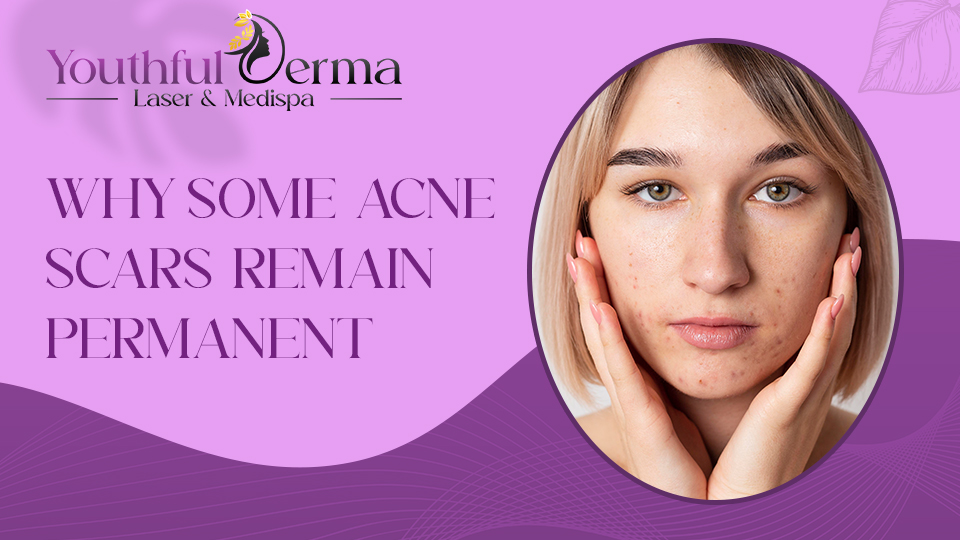
Acne scars can be frustrating reminders of past breakouts, lingering long after the blemishes themselves have healed. While some people notice their acne marks fade over time, others find themselves dealing with indentations, discoloration, and textural changes that seem stubbornly permanent. Understanding why certain acne scars don’t go away on their own requires a closer look at how skin heals and what happens when that process goes wrong.
The Science Behind Scar Formation
When acne penetrates deep into the skin, it damages the tissue and underlying collagen. The body’s natural response is to repair this damage, but the healing process doesn’t always restore the skin to its original state. Instead of regenerating the exact same tissue structure, the body often produces new collagen fibers that have a different texture and quality than the surrounding skin.
The severity of the initial acne plays a significant role in determining whether scars become permanent. Deep, inflamed cystic acne causes more extensive damage to the skin’s structure than superficial breakouts. When inflammation reaches the deeper layers of the dermis, it destroys collagen and fat tissue that the body cannot perfectly replace.
Types of Permanent Acne Scars
Not all acne scars are created equal, and different types have varying degrees of permanence. Atrophic scars, which appear as depressions in the skin, are among the most common permanent types. These include ice pick scars, boxcar scars, and rolling scars, each with distinct characteristics that make them resistant to natural fading.
Ice pick scars are narrow, deep pits that extend into the dermis. Their depth makes them particularly stubborn because the damage reaches far below the skin’s surface. Boxcar scars have wider depressions with defined edges, while rolling scars create wave-like undulations across the skin’s surface.
Hypertrophic and keloid scars represent another category of permanent scarring. Unlike atrophic scars, these raised scars form when the body produces too much collagen during healing. They can grow larger than the original acne lesion and rarely improve without intervention.
Why the Body Can't Fix Them Naturally
The skin has remarkable healing capabilities, but it has limitations when it comes to repairing deep structural damage. Once collagen architecture is disrupted or destroyed, the body cannot spontaneously rebuild it to match the surrounding tissue perfectly. The replacement collagen often forms in a different pattern, creating the textural irregularities associated with permanent scarring.
Blood flow to scarred areas may also be compromised, limiting the delivery of nutrients and healing factors that could potentially improve the scar’s appearance. Over time, scar tissue becomes more established and rigid, making spontaneous improvement increasingly unlikely.
Factors That Increase Scar Permanence
Several factors influence whether acne scars become permanent fixtures. Picking, squeezing, or otherwise manipulating acne lesions significantly increases the risk of permanent scarring by extending inflammation and damage deeper into the skin. This behavior disrupts the natural healing process and can introduce bacteria that worsen tissue destruction.
Genetics also play a crucial role in how someone’s skin heals from acne. Some individuals are simply more prone to scarring due to their unique wound-healing responses. Skin type, collagen production rates, and inflammatory tendencies all contribute to scarring susceptibility.
Delayed or inadequate acne treatment allows inflammation to persist longer, causing more extensive damage. The longer inflammatory acne remains untreated, the greater the likelihood of developing permanent scars.
The Role of Collagen Remodeling
Collagen remodeling is the process by which the body reorganizes collagen fibers during wound healing. In ideal circumstances, this remodeling continues for months after an injury, gradually improving the appearance of healing tissue. However, with deep acne scars, the initial collagen arrangement becomes locked in place.
The body’s remodeling capacity diminishes as scars mature. Fresh scars have more potential for improvement through natural processes, but scars that have been present for years have established collagen structures that resist change without external intervention.
Why Professional Treatment Becomes Necessary
Given the body’s limitations in self-correcting permanent acne scars, professional treatments offer the most effective solutions. Modern dermatological procedures work by either breaking down existing scar tissue to trigger new collagen production or by physically altering the scar’s structure.
Treatments like microneedling, laser resurfacing, chemical peels, and subcision target different aspects of scar tissue to promote improvement. These interventions essentially restart or redirect the healing process, giving the skin another opportunity to rebuild damaged areas with better results.
Injectable fillers can address volume loss associated with atrophic scars, while other treatments focus on resurfacing the skin’s texture. The permanence of acne scars doesn’t mean they’re untreatable it simply means they require active intervention rather than passive waiting.
Prevention Remains the Best Strategy
While understanding why acne scars become permanent is important, preventing them in the first place offers the best outcome. Early, appropriate treatment of active acne minimizes the risk of developing deep scarring. Avoiding skin picking and following a consistent skincare routine helps protect the skin during breakouts.
Anyone experiencing persistent acne should seek professional guidance before scarring becomes established. The window for preventing permanent scars is limited, making timely intervention crucial.
At Youthfulderma, we are dedicated to skin health and restoration, experienced professionals understand the complex nature of acne scarring and offer comprehensive treatment options tailored to individual needs. Whether dealing with existing permanent scars or seeking to prevent future scarring, their team provides evidence-based solutions to help achieve clearer, healthier-looking skin.

47 Lakeshore Rd E, Unit 100 Mississauga ON, L5G 1C9
3281 Aubrey Rd, Mississauga, ON L5L 5C9, Canada